Second Communication to shareholders of Texas Pacific Land Trust

Dear Fellow Shareholders:

As the vote to elect a new trustee approaches on June 6 in Dallas I wanted to reach out to shareholders again to share some of my perspectives, not only as a fellow shareholder of the Trust, but as an investor who has invested all over the world the past forty years.  Much of my international experiences have been directed toward sovereign debt, infrastructure, and Energy.   For the past 20 years, all of my investing has been in the U.S. and in the past ten years, almost all of my focus has been in the Energy sector.  The most important issues have always been intrinsic value, governance, and leadership integrity.

We believe that TPL survives and has prospered because it has been managed well, because it has been protected by the Trust . . . we see no reason to deviate from a proven path . . . We are concerned that dissension in management may impair this wonderful asset. 

My first investment as a young man with Rotan, Mosle, (an energy investment bank from Houston), was in Burma Oil & Gas (US OTC), which at the time I bought it in 1977 sold for 77 cents/share.  All reports at the time indicated the company was headed for bankruptcy but my own research indicated that the problem was a dispute with the Indonesian government over LNG export fees and that a simple reconciliation would be in the best interest of all parties.  The dispute was, in fact, resolved and the stock recovered to $7 where I sold it. I was feeling very clever only to see a couple of years later that the price eventually reached $40. That was my first real lesson in being patient.

I first bought shares of Texas Pacific Land Trust in 1980 after learning about it and two other asset rich companies, Florida East Coast and Newhall Land and Farming from Mr. B. F. Pitman in Texas.  Mr. Pitman had been a real estate investor in the Florida boom in the 1920’s.  During that boom he told me his net worth had increased from $2 to $2 million. I was thereby hooked into wanting to be an investor.  He told me to buy TPL and in a few years, we would be the last two shareholders, sitting on some valuable real estate.

I did buy what I could, but I have to say that I did not hold it long enough.  It never seemed to move, or so I thought, and I gave up.  Again, I was impatient.  I did, however, learn some lessons about value, and discovered what I thought was a gem (no one I knew had heard of it).  It was called Berkshire Hathaway. I bought 6 shares at about $850/share, all I could afford. This one did move and I sold it after a year or so for more than a 1000 point gain. Again, I was feeling pretty smart.  Years later, I try not to think the missed profits because that stock now sells for $305,000/sh.  I thought I needed the money when I sold years ago.  But now I realize, I didn’t really need the money, I was just impatient.  It seems that much of investing is doing good research, buying something of value, and being patient.

We investors in Texas Pacific Land Trust own a unique asset. Based on what is happening in the international energy market and especially the Permian Basin (where all of TPLs assets are located), I anticipate that TPL will be one of the main beneficiaries.  Now is the time to keep your perspective about Texas Pacific Land Trust, and to be patient with the management and with the story.  We investors need to be very careful not to push TPL into a corner that might harm our prospects as shareholders.  In my estimation, and despite some slow dissemination of information, the management of TPL has been excellent for a very long time and has always shown the highest level of integrity.

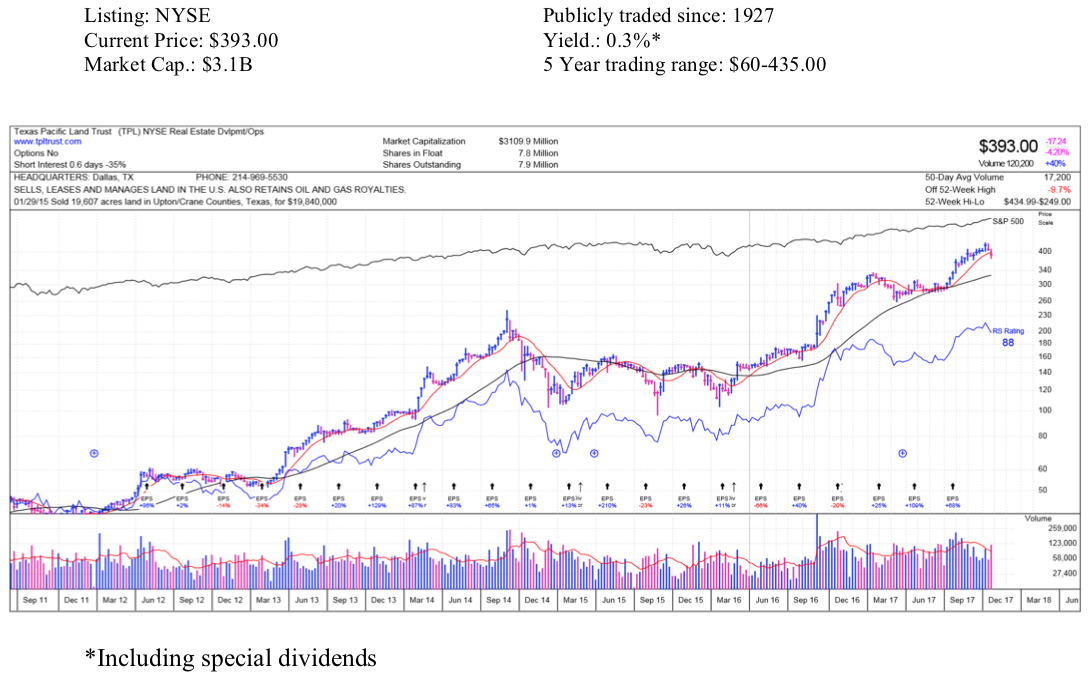
In reading the voluminous material generated by this proxy contest, TPL management seems to be addressing each and every concern to the extent that the Trust allows. Even changing the trust to a corporation is now on the table through shareholder concerns.  That will be a long process and management has openly pledged to look at the possibility. It is not the first time the subject has come up among the trustees, by the way, and so it seems like all concerns are being addressed. It is also not something that we should want to rush into.  Shareholders would do well to keep in mind TPL’s stock performance over time.

Some of the rhetoric in the proxy fight claims that TPL was just lucky to have all this land. The dissent group’s glib innuendo is that management has done little other than show up. It is unclear to me why the dissidents choose this line of attack.  In my mind, nothing could be further from the truth. Nothing is more important than management – or more clearly – management integrity.

In the beginning, in 1881, the Trust started in bankruptcy.  The management before, even though they failed financially, earned the title to 3,500,000 acres of land, being organized to build a railroad.  Managers at the time were not dealt a royal flush because they were given a lot of land in West Texas. No, they had to manage the assets just as the managers today have to manage oil being discovered on the land. I believe TPL survives and has prospered because it has been managed well, because it has been protected by the Trust, and because we were lucky.

ISS, better known as Special Situations Reports, has studied both sides of this proxy contest and recommend we vote for TPL management’s nominee, Gen. Don Cook.  I think this is an important signal to shareholders that given the governance issues that are in need of discussion (and maybe modernized),  Gen. Cook seems far better qualified to carry out those duties than the dissidents’ nominee who has not previously served on a public company board of directors.  Even though that dissident nominee has the support of the largest holder Horizon Kinetics, I do not understand the rationale to advance their candidate.

The proxy material outlines the dissident nominee’s repeated suggestions to the Trustees that the Trust convert to an MPL or to a corporation. To answer his questions, the Trust apparently spent a lot of time and money.  All professional opinions the Trust sought seemed to go against the dissident’s suggestions. This seems to me to have been very responsive to shareholders, but raises concerns that the dissident nominee’s past suggestions may be an indication of the possible disruptions he would bring to the future workings of the Trust.

So, as a professional investor with forty years’ experience, I see no reason to deviate from a proven path the current management has put the Trust on.  It is especially important at a time when I anticipate rapid growth in earnings for the Trust will occur in the next 3-4 years. The management seems to understand that shareholders would like more information from the Trust, an annual shareholders meeting, dedicated investor relations personnel and a thorough airing of the governance issues.

We cannot afford dissension and distraction in managing this wonderful asset.

Dana McGinnis, CIO

Mission Advisors

***Certain statements in this letter constitute “forward-looking statements.”  These statements are made on the basis of the views of Dana McGinnis and assumptions regarding future events and performance as of the time the statements are made.  Actual results may differ materially from those expressed or implied in this letter.  Such differences may result from changes in investment theses or due to market forces outside the control of TPL.
URGENT NOTE FROM DANA McGINNIS- Vote for General Cook, TPL Trustee

We urge you to elect Four-Star General Donald G. Cook, as Trustee to lead Texas Pacific Land Trust. Complete, sign and return the BLUE proxy card, or by voting online by following the instructions at www.TrustTPL.com. We must avoid the rogue activist nominee, Eric Oliver, of dissidents Horizon Kinetics/Softvest/ART-GFT et al. Mr. Oliver is naïve and reckless. His incompetent recommendations and schemes will undermine the value of everyone’s TPL holdings. Our investment is at grave risk.

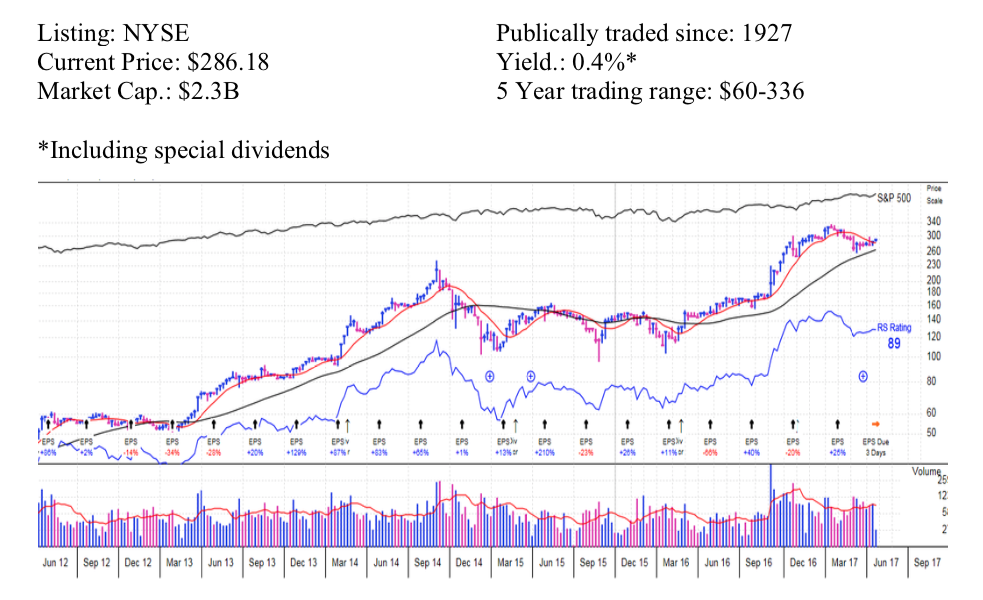
Texas Pacific Land Trust has been very good to its shareholders. TPL’s Investor Presentation, April 2019 speaks for itself. We are the second largest shareholder, and an energy investor for over 40 years. As an investment, TPL is unparalleled. It continues to give us remarkable and valuable reasons to believe the future of TPL is bright indeed. Since its formation in 1888, and throughout the years under the leadership of Mr. Maurice Meyer, TPL continues to be a jewel in our portfolios, in the State of Texas and the energy business. We must elect Four-Star General Donald G. Cook as trustee to lead TPL. We encourage you to join TPL and General Cook, who will host a Video Q&A on Thursday April 25, during which he will provide his personal perspectives on the issues.

View TPL Trust’s April 22, 2019  press release with General Cook’s letter to shareholders here.

The dissident group, spearheaded by Horizon Kinetic/Softvest/ART-GFT Family Partners, seeks to force its way into the seat on the board, vacated by the death of Mr. Meyer. Their rogue nominee, Eric Oliver, has demonstrated to me with his offbeat suggestions and his pressuring of the trustees that he is not qualified for the position.  Nonetheless he is presently on a self-promoting marketing campaign, attempting to convince us, the shareholders, to choose him as trustee. Eric Oliver is a big mistake.

As a long term holder of TPL shares, and the second largest shareholder (behind the activist group), I support Texas Pacific Land Trust’s management.  I am an experienced MLP investor as well and know TPL was right to rebuff all of Mr. Oliver’s naïve recommendations concerning MLPs. We all want TPL to continue doing what they have been doing and to do so well into the future. This dissident consortium wants to interrupt the momentum. They want to change the proven, steady momentum that has made us outstanding returns. To what aim? Changing a long-proven successful business like TPL, without any clear reason –  because there are none – is reckless. Worse yet, the dissidents and its nominee suggest they want to “fix” TPL and thereby add to its success. In our view, the dissident’s complaints are lacking perspective and reason. TPL is doing just fine.

Investors must vote with the management and General Don Cook. 

The dissident group called me for advice.

Days ago I received a call from a senior analyst at Horizon Kinetics – the dissident group that is supporting their unsuitable nominee. He said his job was to research TPL as much as possible. He found my name and reports on TPL written a couple of years ago and concluded that I was one of the most knowledgeable people in the industry with regard to TPL. I can just say that my analyses are based on the public information, conversations with management and my 40 years expertise in energy investments. Two of those three things are available to any shareholder willing to call management and do a little work on his own. The dissidents who complain that management does not share information are completely wrong. Why are their analysts calling me for information? I have the same access to TPL as they do. In the end, Horizon Kinetics gives me no clear reason for wanting their dissident nominee on the board at all.  Do they have another motivation? 

The dissident’s grievances:

First, the dissidents want TPL trustees to stop taking credit for the success of the business over the past few years. That is a gross misrepresentation of what has actually happened. TPL’s market success is phenomenal and that success has not been limited to the last few years – it has been successful since the 1920s. TPL’s growth and development is no accident, as the dissidents claim. There have been many Trustees over decades that managed the business. Collectively, they have done a remarkable job.  The management has made the shareholders a lot of money. They have positioned TPL so that will continue grow long into the future. The dissident’s opinion is baseless, pure grandstanding.

TPL deserves its due credit. 

Incompetent nominee: A complete misrepresentation of himself and his goals.

There is at least one pandering video on the internet featuring the dissident’s rogue nominee, Eric Oliver. He claims the video is to disprove the public information circulating about him being a “bad guy.” He denies being a dissident. He also implies that people think he has horns and a pitchfork. He flatters himself. What follows on the video is a pandering walk around his home office where he proudly displays maps of Texas stuck on the walls, and his computers. Any dabbler in mineral properties has maps.  What you definitely do not see in his marketing video is proof that he has any qualified judgement.

Mr. Oliver has contacted management on many previous occasions insisting that TPL management convert the Trust to an MLP. This is a prime example of his poor judgement – one we must all avoid. There are public documents available to shareholders where TPL management details conversations with Mr. Oliver and his incessant desire to convert TPL to an MLP. I suggest you read the transcripts. As for myself, for nearly ten years I have managed the best performing MLP and Energy fund on the street. Mr. Oliver obviously has NO IDEA about MLPs. He asks – persistently – why TPL does not convert to an MLP. When I sold all the MLPs in my investor’s portfolio, Mr. Oliver was insisting that TPL to become one of the casualties! As it turns out his charade is a rehash of his earlier private attempt to influence the decision. I have not bought MLPs back and my Fund continues to lead the energy market performance. It was obvious this rogue nominee is uninformed at best and refuses to admit he is constantly wrong about TPL and the business. Is he going to get smarter if elected? Definitely not. Mr. Oliver is a huge risk! 

Mr. Oliver stubbornly insists on bad ideas. 

TPL did take the time to discuss Mr. Oliver’s unfounded recommendation even after trying to dissuade him. They then took the further step of hiring, at some expense to all of us, an independent consulting firm that reached the same conclusion – a conversion to an MLP was a bad idea.  Still Mr. Oliver insisted, recommending that TPL borrow $100 Million to pay to shareholders as part of the MLP conversion as an incentive to convince us, the shareholders. He insists to this day. I say enough is enough! 

Mr. Oliver is not through with his schemes.

In the proxy statement he makes one of his old nonsensical ideas yet again. He wants to fully explore converting the Trust into a Delaware Corporation. He fails to outline even one reason why the corporation would make more sense than the current structure. Not one. 

More reasons why Mr. Oliver would be unlikely to add anything to the advancement of TPL

Corporations, as they exist for public companies, have a lot more infrastructure and overhead requirements than the current Trust structure. The dissidents insist that a corporation offers more transparency for shareholders. This is not true. TPL is always ready to provide information to the extent of SEC limitations. We all want transparency, and TPL has provided it. All shareholders have to do is call them.

TPL discloses what management has been doing for all of us. As shareholders we must also remember, that to protect us, there are rules for disclosing nonpublic information. There are also competitive reasons to hold your tongue.

As for the corporate structure just for the structure, that is another of Oliver’s unnecessary and costly follies. The rogue nominee has had this discussion with TPL repeatedly in the past. So much so that now he even claims that it was his idea! Mr. Oliver has persisted with tired, worn-out and useless suggestions for which he has already been given studied denials, at shareholder expense.  Does he have any good ideas?  Does anyone in the dissident group have any good ideas? If so, let’s hear them.

I believe Gen. Donald Cook is by far the best candidate for Trustee. Vote for him.

We should not let Mr. Oliver anywhere near the Water Business!

Mr. Oliver claims he can help with the management of the water business. He cites all the risks of being in the business as if TPL were unaware of its own business. He suggests he would help TPL find better water managers and hire outside consultants to better evaluate and grow the business. The idea is absurd.  

He does not understand the business and poses a huge risk to us.

TPL currently has a water team in place that is the envy of the industry. Mr. Oliver goes on in the proxy statement to suggest that TPL sell off the water royalty rights to a third party. This very statement demonstrates that he does not understand in the least that the land and water rights must work together. To suggest TPL separate them is naive and reckless. It is because TPL controls the land and the rights together that enables TPL to leverage the water business by teaming with neighboring owners. This is the backbone that allows TPL to create long term valuable contracts with the operators that need water now, and will need even more recycling and disposal of produced water in the future. It is irresponsible for any shareholder to make such an uninformed statement, especially one who says he can enlighten TPL management on the road ahead. Mr. Oliver cannot.

So, I ask again that shareholders read the investor presentation, call management or even me, if you like, to discuss any of the material at your disposal. It is in my best interest to capture all of the upside that shareholders are sure to experience if the past excellent management and strategy continues into the future. I want all shareholders to have the best returns possible.  Eric Oliver is wrong for TPL.

Support Texas Pacific Land Trust.

Vote with Management.  Vote for Four-Star General Donald G. Cook.

Please call me if you are undecided and want to talk. Please do not call to try to change my mind. 

Dana McGinnis,

Founder and Chief Investment Officer

Mission Advisors

112 East Pecan Street, Suite 1425

San Antonio, Texas 78205

Tel: 210.323.2000

www.missionadv.com

How a ‘Monster’ Texas Oil Field Made the U.S. a Star in the World Market

Innovation, investment and inviting geology have given new life to an oil patch that once seemed spent. The oil field is now the world’s second most productive.

MIDLAND, Tex. — In a global collapse of oil prices five years ago, scores of American oil companies went bankrupt. But one field withstood the onslaught, and even thrived: the Permian Basin, straddling Texas and New Mexico.

A combination of technical innovation, aggressive investing and copious layers of oil-rich shale have transformed the Permian, once considered a worn-out patch, into the world’s second-most-productive oil field. (Read more – source: New York Times, By Clifford Krauss,

An Introduction to Texas Pacific Land Trust (TPL) – Part III

The Water Business

This is the final report of our 3-part series entitled, “An Introduction to Texas Pacific Land Trust” (dated April 16 and June 9, 2017, respectively.) For copies of these reports please contact us at info@missionadv.com.

We believe that no publicly traded energy stock is in a better position than Texas Pacific Land Trust to make money for its shareholders by appreciation. In addition to a potential rise in stock price, we believe that the future ability of TPL to pay cash dividends will be prodigious.

There is a new revenue stream coming for Texas Pacific Land Trust that, for a short time, may even eclipse oil and gas revenue. That revenue stream will come from the sale, and possibly the recycling and disposal, of water. For energy investors, this is a fortunate circumstance. For the first time in its history, TPL is managing an active business to make money for shareholders. In May, TPL hired Robert Crain, former head of water development at EOG Resources. He and his team will develop the water business for TPL. We are encouraged by this, and feel that shareholders will soon see the results.

By virtue of their origin as a railroad land-grant company in the 1800s, shareholders are now owners of vast tracts of land in West Texas. TPL owns approximately 900,000 acres of land in West Texas, 769,000 acres of which are in the Delaware Basin section of the Permian Basin, arguably the most desirable oil play in the world. The surface ownership is valuable in its own right. Operators must pay TPL a fee for access to their land in the form of roads, pads and right-of-way. We believe that ownership of mineral rights will produce the most revenue in the future. Mineral revenues come from royalty interest, and TPL holds some 300,000 acres of 1/16th royalty interest in the counties of Culberson, Reeves, and Loving, three of the six counties in the heart of the Delaware play—the Sweet Spot.

TPL is a passive holder of mineral rights, which means it does not control when operators drill on their land. In order to estimate what might occur on TPL land, one has to aggregate the information of drilling schedules from operators in the areas around TPL royalty interests. Fortunately, TPL owns large expanses of mineral rights in what is the most active drilling areas in the world today. Companies drilling in these active areas include Anadarko Petroleum, Apache Corporation, Chevron, Cimerex, Exxon, Occidental Petroleum, WPX and many others.

We have utilized this information to estimate possible future production to TPL’s account. Bear in mind that, historically, pronouncements about individual company drilling schedules have not been entirely reliable. Often companies do not come close to drilling as many wells as promised. In the Delaware Basin, however, we do gather confidence from the reputable operators named above, and from the remarkable amount of investment in Delaware acreage during the last 2-3 years alone. Companies simply must drill to keep acquired rights and get their money back.

There are now 218 rigs operating in the Delaware Basin and a total of 382 rigs operating in the Permian. These are mostly horizontal, mobile rigs. Each rig can drill, but not complete, 15 – 20 wells per year. It appears that the majority of wells drilled in the Delaware are still not being completed. This will change. By all reliable accounts, a transition to pad drilling is forthcoming and thus the pace of drilling and production should accelerate soon. As pad drilling begins, so will the pace of completions. Future completions will have to include the very large inventory of wells drilled but uncompleted — the so called DUCs.

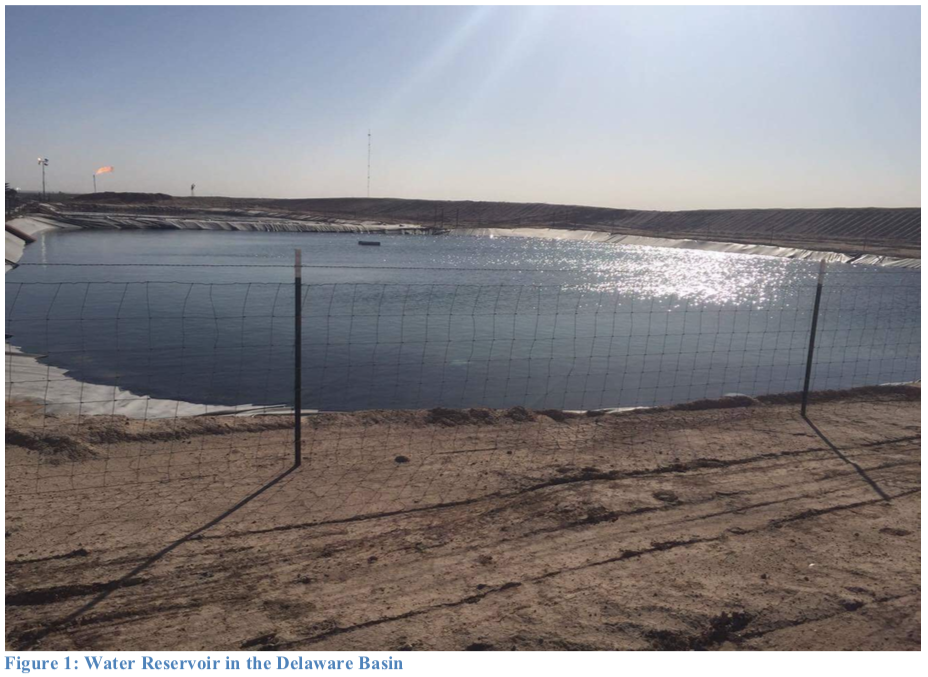
The availability of water does not have much to do with the pace of drilling but it has everything to do with the pace of well completions and therefore oil and gas production. Approximately 500,000 barrels of brackish water are needed to complete each new well. Once those wells are completed and production begins, those same wells are producing as many of four barrels of water for every barrel of oil. So, the availability, use, possible recycling, and disposal of water is every bit as important as the oil business in the Delaware.

Our previous estimate of 100 uncompleted wells was very close to the 90 DUCs reported by TPL on their land in the latest 10Q. In essence, TPL is actively putting themselves in position to supply as much water as they can when these wells are completed. We think they are in the best competitive position to deliver water to wells drilled on or near the majority of their acreage in Reeves, Loving and Culberson counties – the “Sweet Spot.”

Oil companies operating in the Delaware Basin are the best-known names in the industry. They have invested heavily in buying acreage over the last few years. All of these companies refer to the Delaware as a key area for capital expenditure and most are in the process of drilling multiple wells from the same site, known as “pad drilling”. That process of rapid drilling means more wells, and consequently more completions.

For most of its history, TPL has been a passive company. They keep track of revenues received from mineral royalties, leasing land for grazing and collecting access fees for roads and pipelines crossing their land. TPL has even collected water revenues in the past, by allowing companies to drill water wells on their land. Until recently, those revenues have been lumped together with access fees. Since early 2017, the management rightly recognized that TPL was in an excellent position to significantly increase water revenues for shareholders, by drilling their own wells and marketing water to operators. Dramatic is the word that comes to mind, not only for the potential, but also for the active nature of the operation.

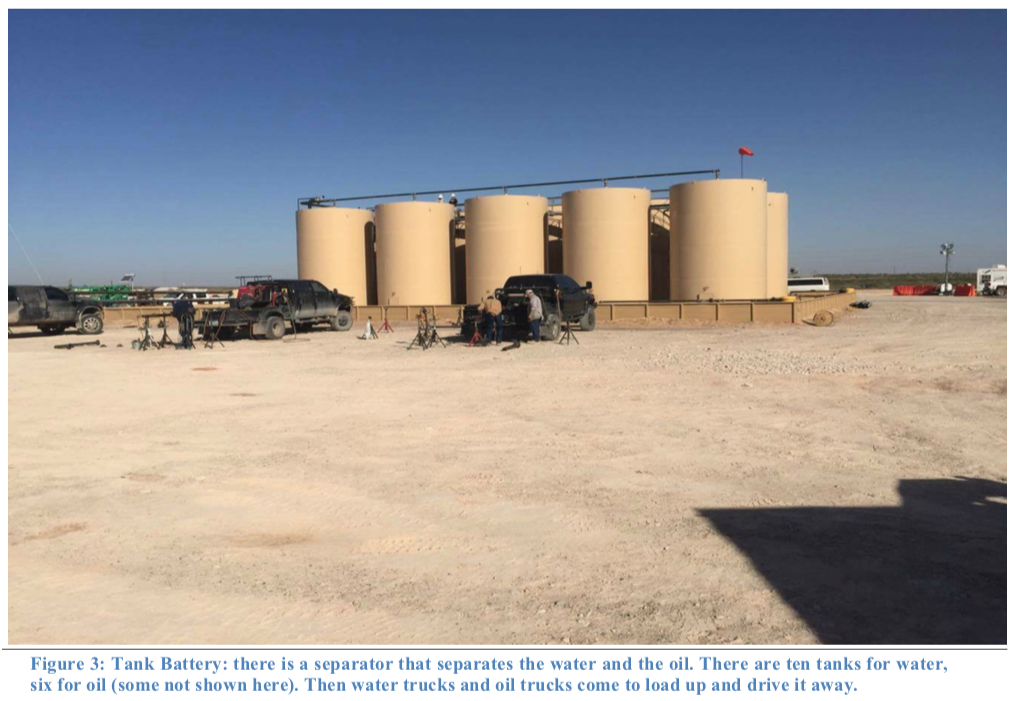
We think TPL’s water business is being built in a systematic and aggressive manner. Because of their large surface ownership and their new willingness to spend money to build a water business, TPL has tremendous competitive advantage. The company has money to spend, and it appears it will develop a series of water fields to supply operator’s needs. For example, they can pump water to holding tanks, where operators pick it up by truck and ferry to drill sites for fracking.

In developing water fields, we believe TPL will ask neighbors to join them in the business. TPL has many long-standing relationships in the basin through its presence on the land since the 1880’s. Any join agreements would add to the revenues for all involved in water pumping or disposal in return for the inclusion of some wells and access rights on adjacent land. Such agreements might also make it harder for others, who also need rights of way, to compete in the same area.

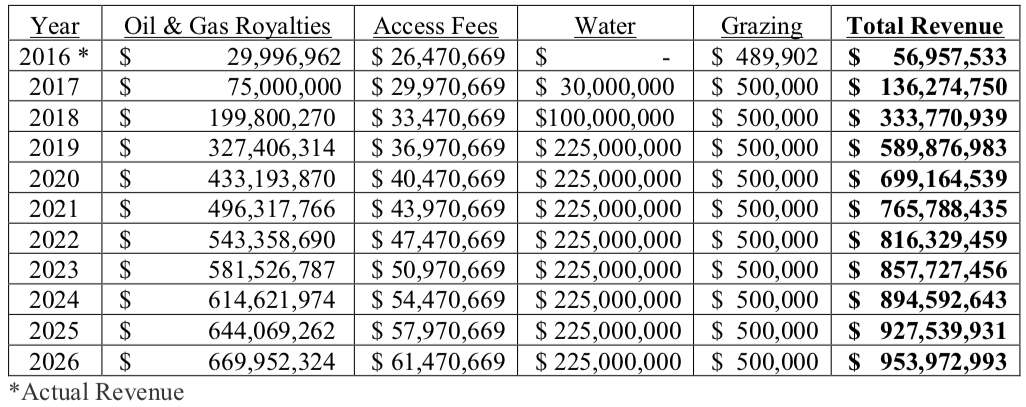
Currently, TPL has six water fields, theoretically able to supply about 150 frac completions a year. We think TPL will construct as many as twenty or more such fields in the future with the capacity of supplying frac water for as many as 600 completions a year. In this scenario, it is conceivable that TPL water revenues will rise from about $28MM a year now to over $200MM a year by 2020.

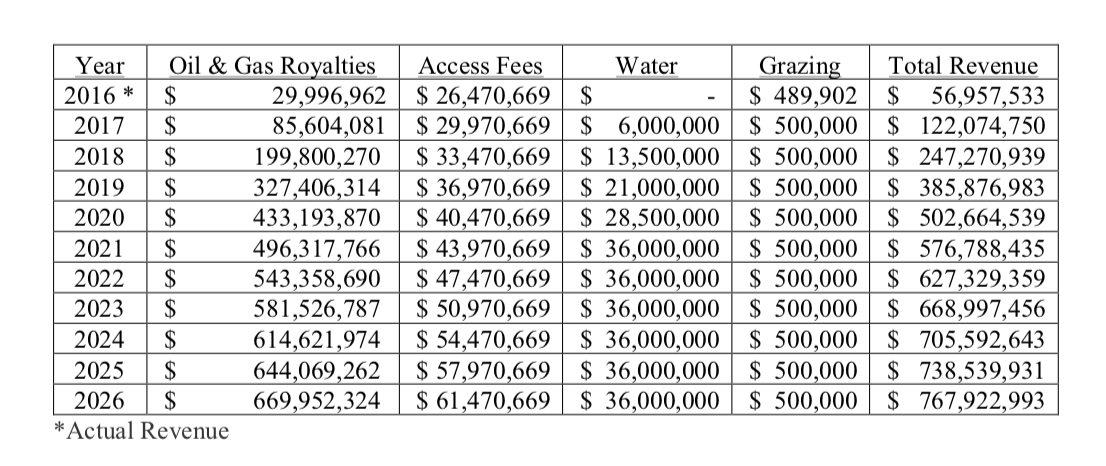
Using our estimate for the pace of future drilling and completions in the Delaware, the following table lays out what we think future revenues at TPL could look like.

TPL pays about 8% state severance tax for oil and gas production. It receives a 15% depletion allowance for that production, and then is subject to normal corporate taxes. All other revenue is available for ongoing expenses, pensions, share retirements, and dividends. We think these estimates are reasonable given TPL’s excellent acreage across the best oil lands in the world today and the current actively reported in the Delaware Basin. If these revenue estimates prove to be correct, Trustees could find themselves contemplating, even after normal share repurchases, paying shareholders $50 in dividends by 2022.

Yours Truly,

Dana McGinnis &
Mission Advisors 

An Introduction to Texas Pacific Land Trust (TPL) – Part II

This report should be read together with our communication of April 16, 2017 entitled, “An Introduction to Texas Pacific Land Trust.” For a copy of this report please contact our offices.

In today’s oil and gas market, we believe no publicly traded entity is in a better position than the Texas Pacific Land Trust. By virtue of their origin as a railroad land-grant company in the 1800s, they are now owners of vast tracts of land in West Texas. It is simply in the right place at the right time. TPL owns approximately 900,000 acres of land in West Texas, 769,000 acres of which are in the Delaware Basin section of the Permian Basin, arguably the most desirable oil play in the world. The surface ownership is valuable in its own right. Operators must pay TPL a fee for access to their land in the form of roads, pads and right-of-way. In our opinion, it is the mineral rights that will produce the most revenue in the future.

Mineral revenues come from royalty interest, and TPL holds some 300,000 acres of 1/16th royalty interest in the counties of Culberson, Reeves, and Loving, three of the six counties in the heart of the Delaware play.

TPL is a passive holder, which means that in order to estimate what is occurring and will occur on TPL land, one has to aggregate information of the drilling schedules from operators in the areas around TPL royalty interests. Those companies include Anadarko Petroleum, Apache Corporation, Chevron, Cimerex, Exxon, Occidental Petroleum, WPX and others.

We have utilized this information to estimate possible future production to TPL’s account. Bear in mind that, historically, pronouncements about individual company drilling schedules have not been entirely reliable. Often companies do not come close to drilling as many wells as promised. In the Delaware Basin, however, we do gather confidence from the reputable operators named above, and from the remarkable amount of investment in Delaware acreage during the last 2-3 years alone. Companies simply must drill to keep acquired rights and get their money back.

We know there are 174 rigs operating in the Delaware Basin today and 310 operating in the Permian. (These are horizontal rigs). Each rig can drill, but not complete, 15 – 20 wells per year. For the moment, it appears that the majority of wells in the Delaware are not being completed as operators are still drilling to hold acreage and delineate zones. By all reliable accounts though, a transition to pad drilling is forthcoming and thus the pace of drilling and production should accelerate in the second half of 2017 and thereafter.

Among the known details about oil and gas activity at TPL, the important facts include: average volume attributable to shareholders (on a BOE/day basis) was about 1000 in 2015 and about 2129 in 2016. There were 60 wells drilled on TPL royalty land in 2015 and 110 wells in 2016 (some wells were drilled on 1/128th royalty acreage and those have been aggregated into the total number of wells by dividing by 9 in order to approximate the total at a constant 1/16th royalty interest).

One would expect that if there were more than 100 wells drilled on TPL land in 2016, production should have gone up more than 500 bbl/day, even at a 1/16th royalty interest. So, why the discrepancy? What occurred is that in 2016 and 2015 a majority of the wells drilled were not completed and producing. To get 500 barrels per day at their 1/16th royalty, at the average IP rate in the Delaware, only about 15 fully producing wells are needed. The rest are DUCs (Drilled UnCompleted wells). More than likely, more than 15 wells were completed but those have been restricted until gas and oil pipelines are completed. That leaves a large inventory of DUCs which will be completed over time for TPL, just as the pace of drilling is set to accelerate.

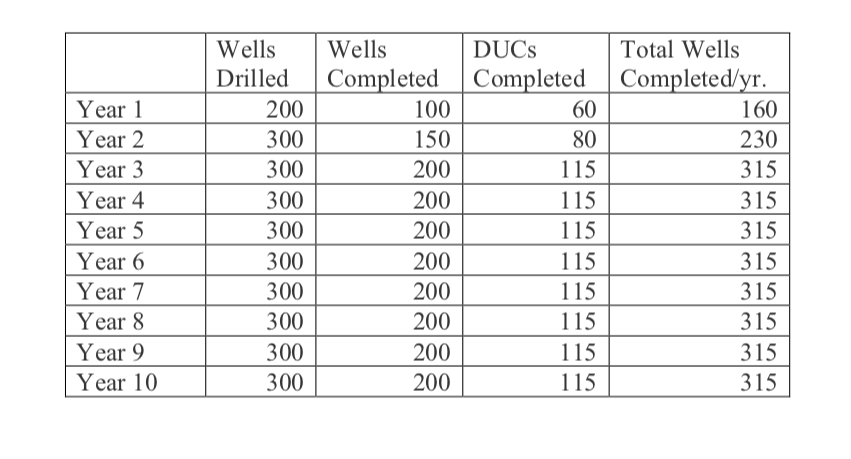
We estimate the DUC inventory on TPL land is about 120. (We will be able to refine this estimate soon as TPL begins to provide guidance on this number.) Meanwhile, operators in the Delaware have generally said that the drilling pace will accelerate in late 2017 and 2018. To TPL’s advantage, we believe the pace of drilling will increase to 200 wells in late 2017, and to 300 wells a year in 2018 then stay there for years. We have based our estimates on the number of rigs now running in the Delaware and the areas in the Delaware where they are known to be operating. The following charts lay out, based on our assumptions, the number of wells that might produce for the benefit of TPL and the possible total production flowing, at not a penny cost to TPL shareholders.

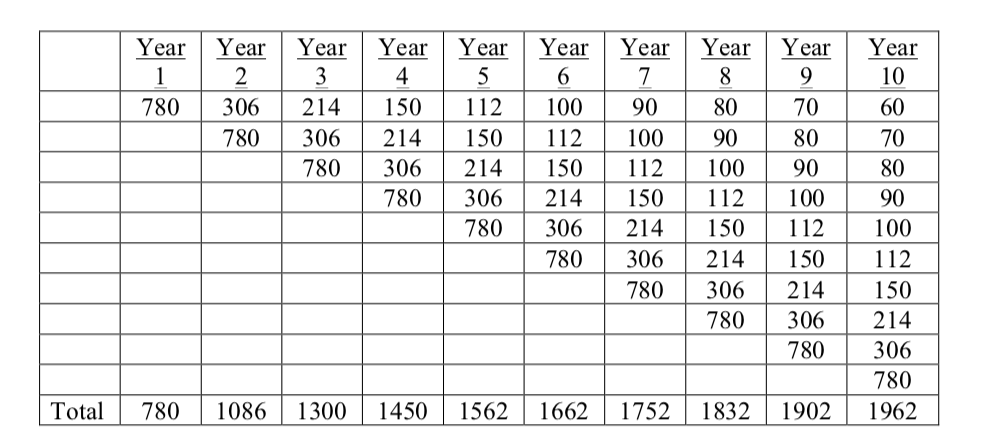
The first table represents the yearly and cumulative production of one well drilled in the Delaware per year, each producing at the current average rate and following an established average decline curve. That depletion rate reduces production 70% in the first year on average and 30% a year for the next four years. Thereafter we estimate the rate of decline to be 10 bbl/day through 10 years. The chart is useful when estimating any number of wells drilled at a constant pace, almost anywhere in the Permian.

Current Average Delaware Production Rates per well Drilled at the rate of one well per year in BOE/day

The following table illustrates our estimates of the number of wells that are likely to be drilled on TPL land in future years and incorporates an orderly schedule of completion of those wells. The accelerated schedule listed should begin only in the second half of 2017. So the estimates we show are for a July to July year, rather than the calendar shown in the other tables.

Expected Pace of Drilling on TPL Land Over the Next Few Years


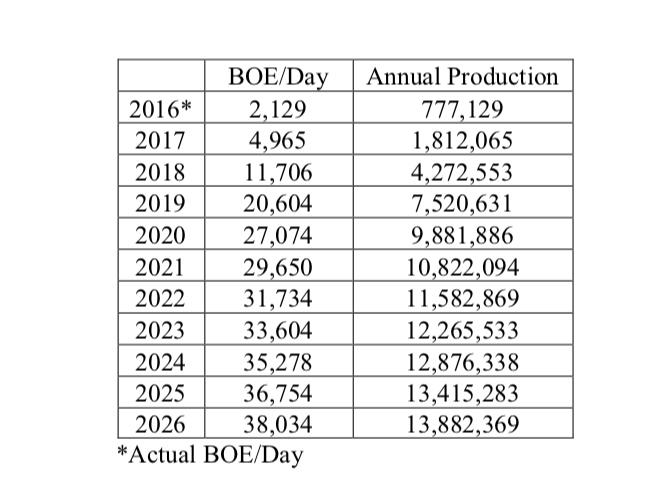
The following table estimates the production we expect for TPL’s account based on a steady drilling program by operators over the next few years. These numbers incorporate our estimates for the lag times of completions as opposed to the drilling schedule.

Estimated Production in Future Years for TPL on a BOE/Day Basis

This last table shows our estimates of all future revenue for TPL including a new category of water sales to operators in need of water for fracking.

Future Estimates of TPL Revenue

Texas Pacific has made two important disclosures recently. The first is that they expect to tell shareholders the number of drilled but uncompleted wells (DUCs) on which they will share revenues. That information could come as soon as late July with the next earnings announcement. Secondly, they have told investors they are looking into developing their water resources as an additional source of revenues. Unlike mineral rights, water rights belong to the surface holder. TPL is one of the largest landholders in the Delaware. Pumping water from shallow but brackish formations could mean significant revenues in the future as operators will need vast quantities of water in order to drill at the pace the industry anticipates.

The combination of these figures indicates that revenues for TPL will be much higher quite soon and will continue to increase as long as drilling and production continue in the Permian. We expect drilling to continue at an accelerated pace for years and for production to continue as long as the world uses oil and gas.

Yours Truly,

Dana McGinnis &
Mission Advisors 

Last minute news: The management of TPL formally announced, late on June 8, 2017 that they have gone into the water business in a much greater manner than anticipated. We expect to increase our estimates for water revenues in the next report. See the link below for the full press release: https://www.businesswire.com/news/home/20170608006364/en/Texas-Pacific-Land-%20Trust-Announces-Formation-Water

An Introduction to Texas Pacific Land Trust (TPL)

We have chosen to review Texas Pacific Land Trust (TPL) because its shares offer a unique way to gain exposure to the Permian Basin, the “sweet spot” of the oil business today. At current prices, the Permian Basin has no competition for producing oil, except for the Middle East where production is controlled by government budgets and not costs. Texas Pacific Land Trust has the good fortune of owning vast amounts of land and mineral rights in arguably the best oil producing area ever, all at no cost to them and their shareholders. 

 Texas Pacific Land Trust was organized under a Declaration of Trust, dated February 1, 1888. It was to receive and hold title to extensive tracts of land in the State of Texas, previously the property of the Texas and Pacific Railway Company, and to issue transferable Certificates of Proprietary Interest prorate to the original holders of certain debt securities of the Texas and Pacific Railway Company. 

The Trust manages land, including royalty interests, for the benefit of its owners. The Trust’s income is derived primarily from oil and gas royalties, easements and sundry income, land sales, grazing and other leases, interest on notes receivable, and interest on investments. 

Some version of this description of the Trust explains their day-to-day affairs. Even a cursory examination of operations, however, will reveal that there is far more to this interesting story and that the more complete version is an intriguing historical story and a compelling investment opportunity. 

As the name suggests, the Trust started as a railroad, one of many built in the 1800’s to link the east and west coasts of America. As with all the companies that were awarded the rights to build the lines, the government, (in the case of TPL it was the State of Texas), gave land to the enterprises in a checkerboard fashion which could be used as collateral to raise money to build the railroads. Many of the companies, such as the Texas and Pacific Railway, went broke. Some more than once. But the railroads were built. 

After the sale of one finished section of the Texas and Pacific line to what is now the Southern Pacific Railroad, the company filed bankruptcy and became a trust. It retained large land holdings in West Texas to be managed and liquidated to repay debt holders. Debt holders exchanged debt for Trust Certificates and holders became shareholders. All debts were converted so the Trust has no debt obligations. Looking at the company and the Trust from today’s perspective, one could add two key points to the official Trust description. The first is that the vast majority of the remaining land is in what happens to be oil producing land in the Permian Basin. Secondly, most of the Trust’s revenue after taxes and expenses is used to repurchase shares on the open market. This concept has been deemed by the Trustees over the years to be the most efficient way to return money to shareholders in keeping with the original intentions of the Trust Declaration of 1888. It has served shareholders well as this program has retired an average of 2.5% of outstanding shares per year for many years and the price of the remaining shares have appreciated greatly over time. 


A Quick History of the Trust as a Public Entity 

The Trust struggled in the early years to make much money by leasing grazing rights, collecting access fees, and selling some of the more than 3.5 million acres of land it owned. Things, changed when oil was discovered in the Permian Basin in the 1920’s and oil royalties were added to the revenue stream. In the ensuing years, the Trust shares greatly appreciated, split many times and paid many special dividends. The number of shares was constantly shrinking via the repurchase philosophy still in place today. In the 1950’s, oil royalties had grown to such an extent that a decision was made to spin off the oil and gas business to shareholders into a company named TXL Oil. This company was eventually purchased by Texaco, which itself was later acquired by Chevron. The spin off rights to TXL Oil originally covered some 2.5 million royalty acres, much of it in the most productive areas in the Permian Basin. Those royalty acres are still held by Chevron 

Corporation today and are probably the second largest holding of any company in the Permian. Had those mineral rights been retained by the Trust, it would be one of the largest oil companies in the world today. 

Fortunately, Texas Pacific Land Trust retained some of their original mineral rights through the conveyance agreement of the spun-off oil company. So today, in addition to the surface ownership of about 900,000 acres of land, TPL still owns royalty interests on about half that land, consisting mostly of a 1/16 mineral interest. Some of those rights are on land not owned by the Trust. Moreover, for anyone who owns shares today or is contemplating investing, the majority of those rights are in the so-called fairway of the Delaware Basin side of the Permian. It is currently the hottest oil property in the world. 

The Permian Basin is important now to the oil industry because it is geographically vast, over ten million acres in size in the two main basins, and because there are multiple oil and gas bearing layers stacked on top of each other, as many as fourteen zones. The total column of productive sediment is as much as 8000 feet thick. By comparison, the prolific Eagle Ford Shale in south Texas rarely exceeds 400 feet in thickness. 

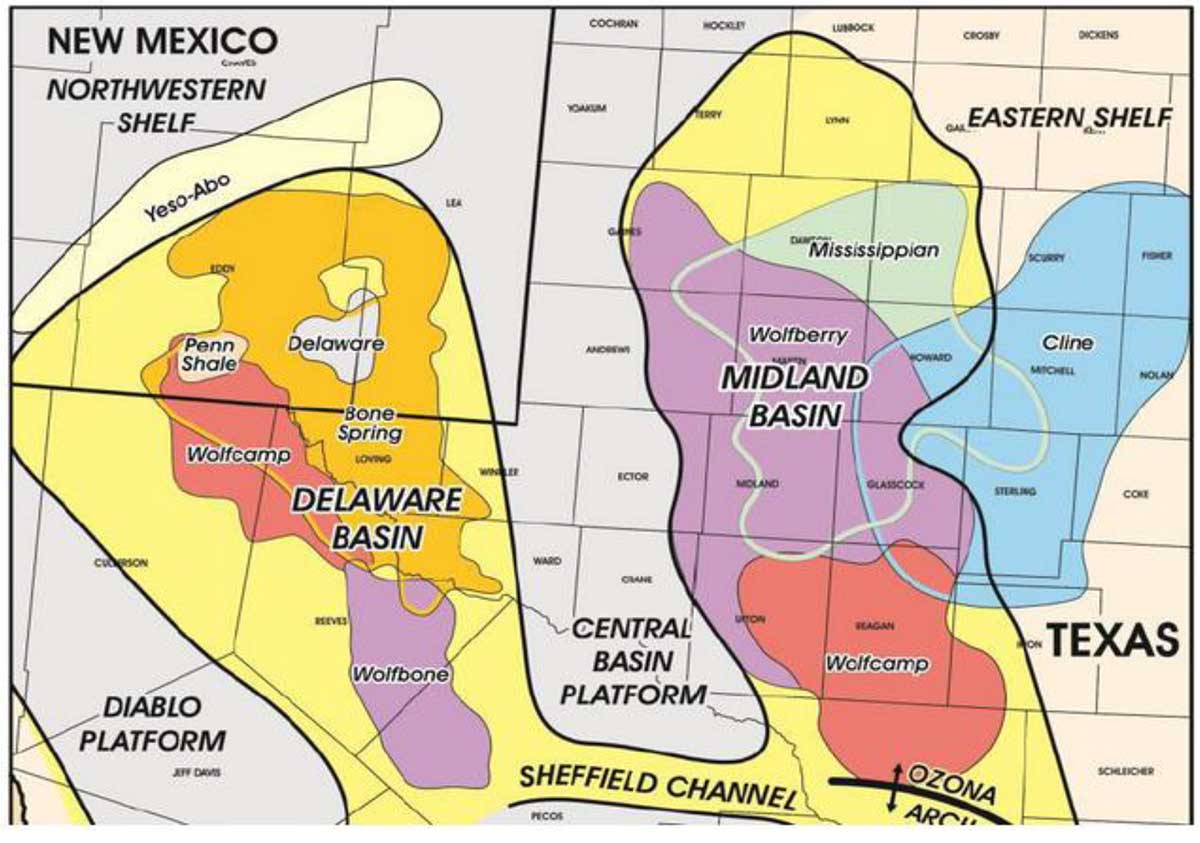
For a visual picture, the following map shows the general boundaries of the Permian Basin. The entire basin is productive, some areas more than others. 

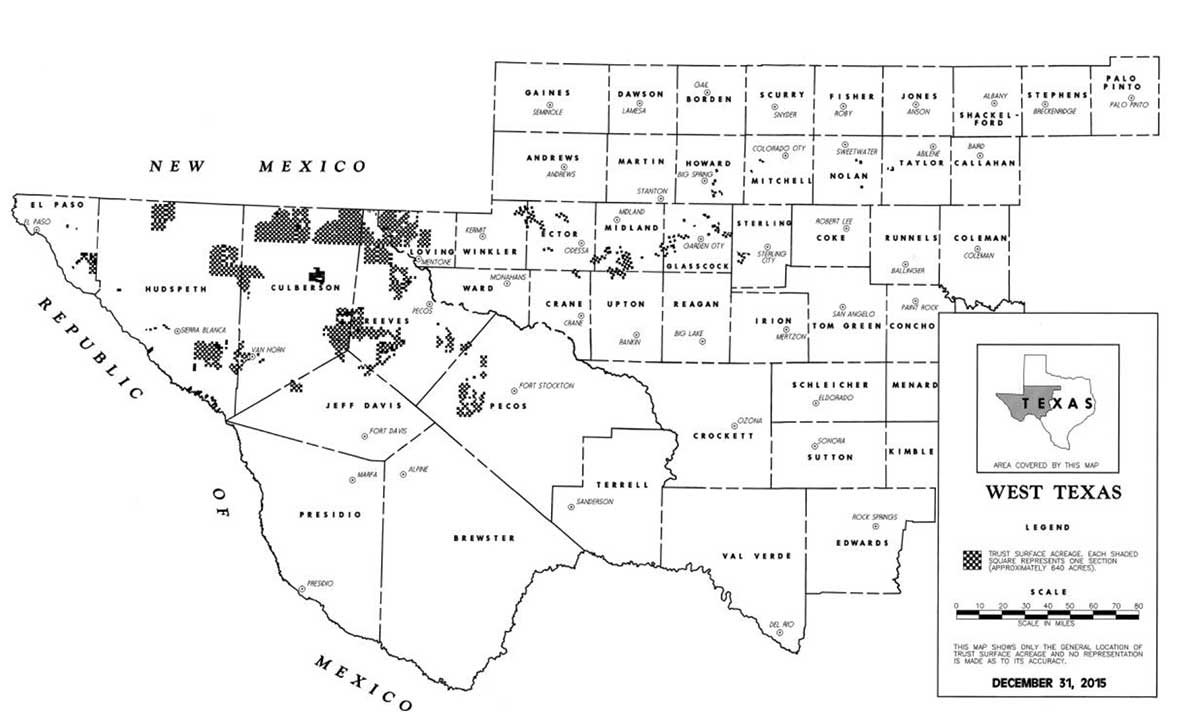
Following is the map of the current land holdings of TPL as seen in their annual report or on their website: 

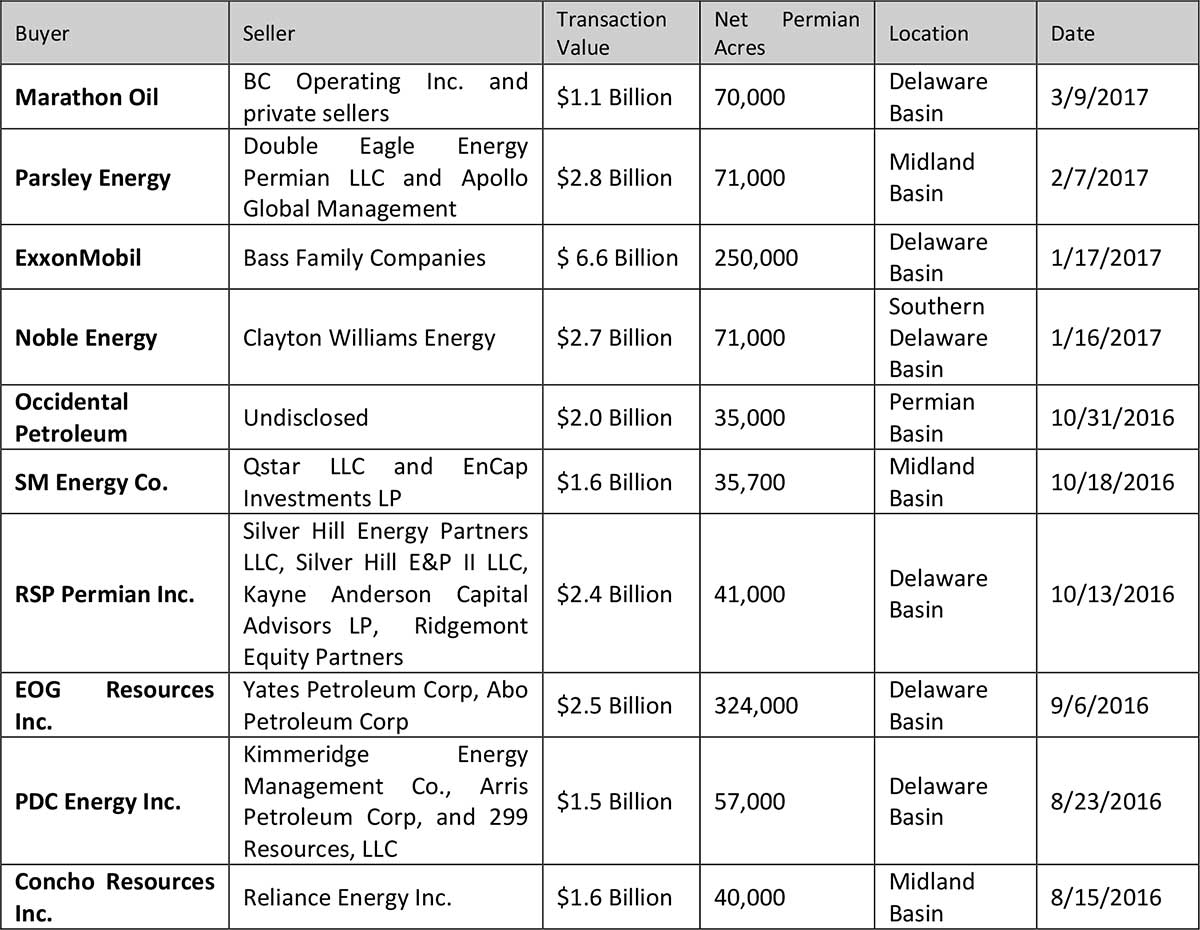
The main appeal of the Permian Basin is the size and scope of proven reserves combined with the presence of abundant take-away capacity already in place and the relative ease of building more new capacity. The lifting costs for new drilling are among the lowest, if not the lowest, in the world outside the Middle East and the stacked nature of the play gives the region immense staying power. We have listed these reasons and the interested parties in previous letters and publications, but below are some names and the sizes of their respective transactions focused in the Permian in the last year. This selection of transactions demonstrates the momentum taking place in the region. 

Companies such as Anadarko Petroleum, a $40 billion company, plan to spend as much as 70% of their budget for the next several years in the Permian. There are other large companies that have similar plans. Exxon, for example, plans to expend as much as 40% of their future budget in the Permian after their recent large purchase of additional Permian leases. Tens of billions of dollars will be spent in the area over the next few years as the only way to get a return on that capital is to drill wells and build infrastructure! 


Texas Pacific Land Trust profits without spending money 

The trust only receives money via the fees and royalties from owning land. But because of their large landholding and mineral interests, those fees and receipts have risen tremendously with all the recent drilling activity. Because of the number of wells that are being drilled on TPL mineral land, access fees to build a road, lay a pipeline or clear a drilling site on TPL land are all going up. So are production royalties. These growing revenues come at no cost to TPL shareholders. There may even be a new source of 

revenue on the horizon through the sale of subsurface water for drilling. Water rights are retained by the surface owner and TPL is one of the biggest, if not the biggest in the area. All available non-potable water will be needed to keep pace with fracking in the future. Since TPL owns a lot of water, its shareholders could soon see another source of revenues. 

Here is the official record of oil and gas production credited to the Trust: 


There are strong indications that royalty barrel increases will continue apace this year and likely for years to come. The percentage increases for 2015 and 2016 at TPL have been 52% and 53% respectively. Based on the increased number of wells drilled on TPL land last year and the continued pace of drilling, 2017 could be another good year of volume growth, and prices are higher. The average price of oil received on 2016 oil for TPL was just $38/bbl. The current price is about 32% higher. If that price holds and volumes increase this year at close to the same pace as previous years, TPL revenues could be double that of 2016. 

According to Reuters, another factor suggesting future TPL revenue is that almost half of the wells drilled in the Permian over the last year were not fully completed. One obvious reason for this could be that drilling is presently outpacing take-away capacity. We have personally observed lots of gas being flared and numerous oil and water trucks on the roads in the Delaware Basin. Because many leases contain drilling provisions in order to hold the land, many wells simply are not completed as fast as they are drilled. The rigs and crews have to move on. So much infrastructure is needed that it is hard to keep up. 

Over time however, flared gas will be collected, oil and liquids will be piped out and uncompleted wells will be completed. 

Specifically relating to TPL, it appears that many of the wells reported as drilled in the past two years are not yet completed or else production numbers would be far higher. As they are completed, the wells should prove to be a source of stronger volume and revenue increases. 

The next five years should show tremendous increases in royalty barrels at TPL 

Many of the current operators in the Delaware Basin will soon change the nature of their drilling programs to concerted drilling from pads designed to drill multiple wells as quickly as possible. This is a shift from exploration and evaluation to production. It appears that this process could start in the second half of 2017 and pick up the pace over the next several years. We believe the pace of drilling by most of the big operators in the Permian will accelerate soon if oil prices are flat. We also think that the number of wells drilled on TPL may double as early as this year and uncompleted wells will come online. All of this is at no extra cost to shareholders of TPL. We think all these factors make Texas Pacific Land Trust the most economically efficient company in the Permian Basin. 

Yours Truly, 

Mission Advisors 


Addendum 

TPL released their First Quarter 2017 earnings on 4/27/2017. As we expected, revenues we up significantly from last year. For more details see the link below: 

http://www.businesswire.com/news/home/20170427006458/en/